
Which Pump Can Handle Abrasive Mill Scale Slurry?
A heavy-duty centrifugal slurry pump is often the strongest starting point for transferring abrasive mill scale slurry, particularly when a plant needs continuous flow at a substantial rate. A recessed-impeller or vortex pump can be a better choice when coarse, irregular particles or occasional debris make clogging and direct impeller wear the dominant concerns. For thick or intermittent slurry, a suitable positive displacement pump may offer advantages, provided its wear parts, valves, and pressure protection are designed for the solids involved.
The right choice depends on more than whether a pump is described as “abrasion resistant.” Mill scale can settle rapidly, arrive in uneven batches, and contain particles that differ considerably in size and shape. Pump selection therefore has to account for the slurry at its worst credible operating condition, as well as the flow and pressure needed to move it through the entire system.
How the main pump types compare
When a centrifugal slurry pump makes sense
A purpose-built centrifugal slurry pump is a practical first option for a mill scale circuit with continuous or frequent operation and a predictable transfer duty. Its attraction is straightforward: it can move significant volumes of liquid and solids through a relatively simple pumping arrangement, with replaceable wear components available on many designs.
The distinction between a slurry pump and a general water pump matters here. A slurry pump is built around the expectation that particles will strike and slide across internal surfaces. Depending on the model, it may use thicker casing sections, replaceable liners, an impeller designed for solids passage, and construction that allows worn parts to be changed.
Even so, a heavy-duty centrifugal pump is not automatically the best choice for every scale slurry. If large flakes, tramp material, or highly variable solids loads enter the suction, the impeller passages may clog or wear unevenly. If the slurry becomes much denser than the design condition, the pump may require more power and deliver less flow than expected. An oversized motor alone will not correct a pump operating far from an appropriate point on its performance curve.
Ask for performance and power estimates based on the expected slurry, not just clean water. The supplier also needs the distribution of particle sizes, including the largest particles likely to reach the pump, because an average size can conceal the material responsible for blockages.
When a vortex pump deserves consideration
A recessed-impeller pump places its impeller away from the main flow passage. The impeller creates a rotating flow that moves liquid and solids through the casing, allowing some particles to pass without traveling directly through narrow impeller channels. This arrangement can be useful where mill scale contains coarse flakes or irregular solids and where clogging would be especially disruptive.
The trade-off is hydraulic efficiency. A vortex pump may consume more energy than a suitable conventional slurry pump for the same duty, so its value depends on whether improved solids passage and reduced intervention offset that cost. It also does not eliminate abrasion: scale can still strike the casing, impeller, and discharge surfaces.
Particle passage should be checked against both size and shape. A nominal opening that accommodates a rounded particle may not handle a long, flat piece of scale reliably. Screens or upstream separation can reduce the largest material entering the pump, but their maintenance and potential to blind also belong in the operating assessment.
Submersible pumps: useful in pits, with different maintenance demands
A submersible slurry pump can be a sensible choice for a scale pit, collection sump, or similar location where keeping a dry-installed pump supplied with liquid is difficult. Locating the pump in the sump can shorten or remove the suction line and avoid some suction-lift problems.
The configuration has its own constraints. Settled scale may bury the pump or restrict its inlet, and a pit that collects heavy solids can develop deposits outside the pump’s effective reach. An agitator or flushing arrangement may help keep material available to the inlet, but it must be matched to the pit geometry and the amount of solids entering it. Agitation can also increase the solids load seen by the pump, so it should be considered in the duty calculation.
For reliability, examine the seal arrangement, protection against abrasive particles entering sensitive areas, and the motor’s cooling requirements at the expected liquid levels. Confirm how the unit will be lifted for inspection and how the pit will be accessed. A pump that is convenient to install can become expensive to maintain if removal requires a long shutdown or special equipment.
Where positive displacement pumps fit
Positive displacement pumps are worth evaluating when the slurry is too thick for an efficient centrifugal duty, when flow needs to remain controlled as discharge pressure changes, or when the transfer line imposes a substantial pressure requirement. Suitable designs may include hose, diaphragm, or other slurry-capable configurations. Their suitability depends heavily on the specific pump and particle characteristics.
Some designs rely on valves or close-fitting components that can suffer accelerated wear or fail to seal when hard particles become trapped. Others avoid certain internal wear surfaces but introduce different consumables or maintenance demands. Large or sharp scale particles can be especially challenging, so the largest expected solids and their shape should be discussed alongside concentration and flow.
Pressure protection is essential. A positive displacement pump continues to displace material as resistance rises, subject to its drive and control limits. A blocked line or closed discharge valve can therefore create a dangerous pressure condition. The selected relief or shutdown arrangement must suit the slurry and the system; its ability to handle abrasive solids and avoid blockage deserves the same attention as the pump itself.
Material choice follows the wear pattern
For many scale duties, hard metal wear parts are a serious candidate because they resist abrasion from hard particles. High-chromium white iron is one material family used in slurry pump components, although the appropriate alloy and casting design depend on impact, particle characteristics, corrosion, and the manufacturer’s construction.
Rubber or elastomer linings can perform well in some abrasive slurry services, particularly where particles are relatively fine and impact conditions suit the lining. Coarse, sharp scale can cut or damage certain elastomers, so a rubber-lined pump should not be selected on abrasion resistance alone. Temperature and water chemistry also affect elastomer suitability.
Hardness is only part of the decision. A casing may wear at a localized point where flow changes direction, while an impeller may suffer damage at its leading edges or around its passages. Replaceable liners, adjustable clearances where provided, and accessible wear parts can make a major difference to maintenance time. Compare the expected replacement components and the work needed to change them, not just the material named in the quotation.
Define the slurry before sizing the pump
Mill scale slurry is rarely described adequately by a single solids percentage. A useful specification separates the normal duty from startup, pit-cleaning, upset, and other conditions that may send a heavier or coarser mixture to the pump.
- Particle size and shape: Record the size distribution and largest expected pieces, including flakes and debris. These influence passage, wear, settling, and the choice of impeller.
- Solids concentration: State whether the value is by weight or by volume, and provide the expected range. The distinction matters when estimating mixture density and pump power.
- Settling behavior: Determine how quickly solids settle and whether deposits form during stops. Settling affects both pump intake conditions and pipeline operation.
- Flow and total head: Define required flow, elevation changes, discharge pressure, pipe length, fittings, and expected losses. Slurry losses can differ from clean-water estimates.
- Operating pattern: Identify continuous service, intermittent transfers, expected starts and stops, and whether the pump must restart against a settled line.
- Temperature and chemistry: Check compatibility with seals, linings, and metal components, particularly where process water contains chemicals or corrosive constituents.
Sampling deserves care because scale can settle or segregate while a sample is taken. A sample drawn from relatively clear water near the top of a pit may understate the solids entering a pump positioned near the bottom. Where conditions vary, representative samples from the relevant operating states provide a stronger basis for selection than a single average figure.
The pipeline can determine whether the pump succeeds
A pump may pass the scale presented to it and still fail to deliver reliable transfer if solids settle in the discharge line. Heavy particles tend to accumulate when flow is insufficient to keep them moving, especially in horizontal sections and low points. Once a deposit forms, resistance rises and the duty can move away from the intended operating condition.
Increasing velocity without limit is not the answer either: higher velocity can increase friction losses, power consumption, and wear at bends and other changes in direction. The required operating range depends on the solids, pipe size, concentration, and layout. The pump and pipeline should be assessed together, including minimum practical flow and the conditions during shutdown and restart.
Consider how the line will be flushed or cleared and whether the water supply and operating sequence can support that procedure. Long horizontal runs, sharp changes in direction, and inaccessible low points deserve particular scrutiny. A discharge pressure gauge or flow measurement can help operators recognize a developing restriction, provided the instruments and their connections are suitable for abrasive service.
At the suction side, keep the arrangement as direct as practical and provide the inlet conditions required by the pump manufacturer. Restricted suction, air entrainment, or inadequate available suction head can reduce performance and contribute to cavitation damage. Abrasion and cavitation can occur together, so worn surfaces should be examined in context rather than attributed automatically to the scale.
Make the final comparison on the full duty
Start with a heavy-duty centrifugal slurry pump for a controlled, continuous transfer; compare a vortex design when large or irregular solids make passage a priority; and assess a submersible unit when the pump must work inside a pit. Bring a suitable positive displacement design into the comparison when concentration, pressure, or flow-control requirements justify its additional considerations.
For each option, compare the same duty conditions: normal and maximum solids loading, particle size, required flow, total head, available suction conditions, and the intended operating cycle. Then examine expected wear parts, access, energy demand, and the consequences of a blockage. The strongest selection is the one that can tolerate the material reaching it and remain maintainable within the plant’s actual operating schedule.
Related Information
 Nov 19, 2026
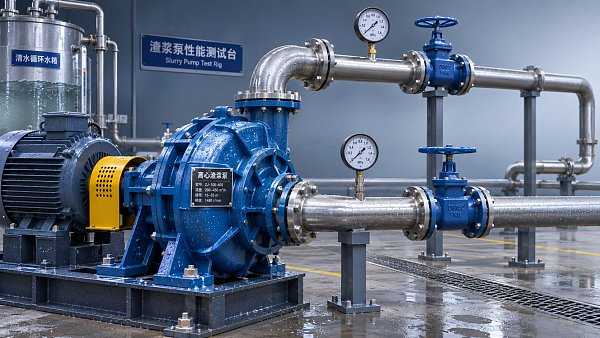
Can a Water Test Accurately Predict Slurry Pump Performance?
Can a water test predict slurry pump performance accurately? Discover its limits, key correction factors, and how to select the right pump for your duty.- Nov 19, 2026
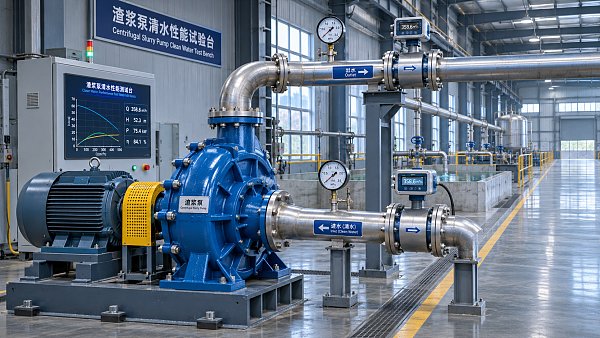
Should You Request a Factory Test Before Buying a Slurry Pump?
Should I request a factory performance test before buying a slurry pump? Discover when testing pays off, what to measure, and how to reduce costly procurement risks. - Nov 18, 2026
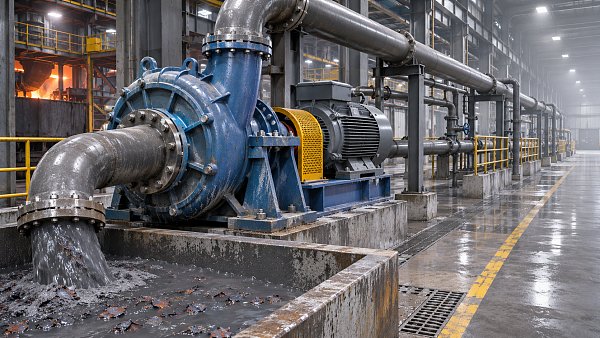
Which Pump Can Handle Abrasive Mill Scale Slurry?
Which pump can handle abrasive mill scale slurry? Compare centrifugal, vortex, submersible and positive displacement pumps to find the right fit for your operation. - Nov 18, 2026
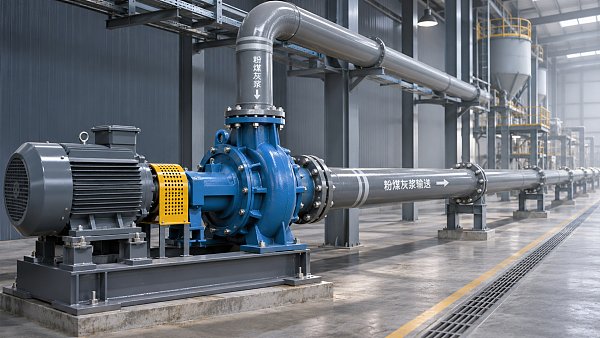
Which Pump Is Best for Fly Ash Slurry?
Which pump is best for fly ash slurry? Compare centrifugal and positive displacement pumps, wear materials, and key selection factors to find the right fit.

{item.title}
Get a Quote
Please leave your information and email address, and we will contact you as soon as possible.