
Do Slurry Pumps Handling Flammable Hydrocarbons Need Double Seals?
A slurry pump handling flammable hydrocarbons does not automatically require a double mechanical seal, but a pressurized dual seal is often justified when hydrocarbon leakage to the surroundings is unacceptable. The decision rests on the consequences of leakage, conditions inside the seal chamber, abrasive solids, and the containment requirements governing the installation. Flammability alone does not establish a universal seal configuration.
A single seal remains a possible choice where leakage and vapor emissions meet the applicable requirements and its reliability is supported by the actual service conditions. Where a seal failure could release a dangerous quantity of hydrocarbon, a pressurized dual arrangement provides an additional containment boundary. That protection depends on suitable barrier fluid, dependable pressure control, and a defined response to support-system failure.
“Double seal” needs a precise definition
The term “double mechanical seal” is sometimes used loosely for any assembly containing two sets of seal faces. For flammable slurry service, the distinction between an unpressurized buffer system and a pressurized barrier system changes how leakage behaves.
An unpressurized dual seal can provide useful containment and leakage monitoring, but it does not establish the same leakage direction as a pressurized arrangement. A specification that says only “double seal required” leaves this distinction unresolved. It also leaves open the support system, fluid compatibility, monitoring, and required containment duration after an inner-seal failure.
Conditions that favor a pressurized dual seal
The strongest reason to specify a pressurized dual seal is an unacceptable consequence from process leakage. A small liquid leak can become a much larger vapor release when pressure falls across the seal. Its significance increases near hot surfaces, electrical ignition sources, occupied areas, or poorly ventilated enclosures.
Flash point alone is insufficient for this assessment. Operating temperature, vapor pressure, fluid composition, and release conditions determine whether escaping material forms a flammable atmosphere. A hydrocarbon mixture containing volatile light components deserves particular attention because its behavior at the seal faces can differ from that suggested by the bulk liquid temperature.
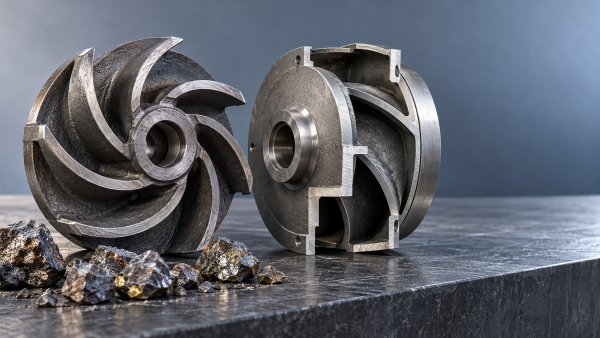
Abrasive solids add a separate reason to strengthen containment. Particles entering the sealing interface can score faces, disturb the lubricating film, and accelerate leakage. Solids can also obstruct springs or restrict the movement needed for the faces to remain in contact. Where these mechanisms make sudden deterioration credible, a second containment boundary becomes more valuable.
Selection is especially likely to favor a pressurized dual arrangement when:
- Permitted hydrocarbon emissions or leakage limits cannot be met reliably by a single seal.
- Loss of the primary seal would create an immediate fire or exposure hazard before the pump could be isolated.
- The liquid approaches flashing conditions in the seal chamber, making stable face lubrication difficult.
- Solids, pressure cycling, or recurring process disturbances have produced an unacceptable single-seal failure history.
- A binding project specification or applicable safety requirement explicitly calls for the arrangement.
A second seal does not correct excessive shaft movement, poor suction conditions, or an unsuitable slurry-pump design. Those problems can damage both sealing interfaces or overwhelm the support system. The containment decision and the mechanical reliability assessment therefore need to address the same operating envelope.
Use seal-chamber conditions, not discharge pressure alone
Seal-chamber pressure determines the pressure against which a barrier system must operate. It is not necessarily equal to discharge pressure. Pump geometry, impeller features, clearances, wear, and operating point influence the pressure at the seal.
The relevant envelope includes startup, shutdown, standby, and credible upset conditions. A barrier system adequate during steady production can lose its positive pressure differential during a pressure surge or while the pump is stopped but remains connected to a pressurized process. The required differential should come from the seal and support-system design, rather than an arbitrary allowance.
Temperature also needs a local assessment. Friction generates heat at the faces, and restricted circulation can leave the seal region hotter than the bulk slurry. If pressure and temperature approach the liquid’s vaporization conditions, the lubricating film becomes unstable. Face damage can then develop even when solids loading has not changed.
For slurry service, the useful solids description includes particle size distribution, hardness, shape, concentration, and settling tendency. Two mixtures with the same solids percentage can behave very differently: fine particles may reach the sealing interface, while larger particles may accumulate around restricted passages. Changes in concentration during settling or restart can be more severe than the normal running condition.
The support system determines whether the second seal works
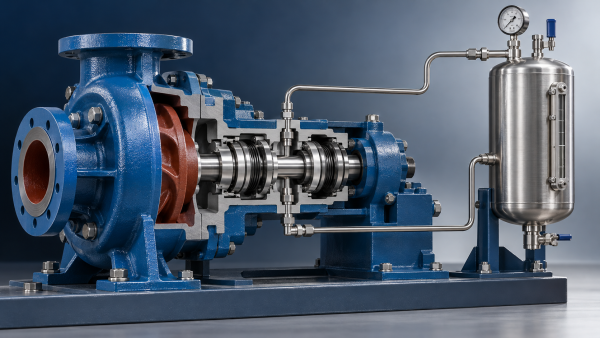
A pressurized dual seal requires clean, compatible barrier fluid at the specified pressure and temperature. Its circulation must remove face-generated heat and maintain lubrication. A reservoir attached to the pump is not, by itself, evidence that these conditions will remain satisfactory throughout operation.
Barrier-fluid selection has two destinations to consider. Some fluid normally migrates across the inner seal into the process, so it must be acceptable in the slurry and downstream equipment. Leakage across the outer seal also needs assessment for fire, exposure, and environmental consequences. Lubricity, viscosity, thermal stability, and compatibility with seal materials matter on both sides.
Water is unsuitable where it reacts with the process, creates an unacceptable emulsion, promotes corrosion, or violates product limits. An oil-based barrier fluid also requires review: it can affect product quality, downstream separation, or deposits. Fluid selection needs to account for mixing behavior at operating temperature, rather than relying on room-temperature compatibility alone.
The pressure source must maintain the intended differential during the required operating and shutdown states. Depending on the design, this can involve a pressurized reservoir, an external circulation unit, or a pressure-tracking arrangement. Each has different dependencies on utilities, stored fluid volume, and pressure regulation.
Monitoring should reveal loss of barrier pressure, abnormal temperature, and fluid inventory changes that indicate leakage. A falling level can indicate increased barrier consumption; contamination or pressure changes can indicate process ingress under an abnormal pressure relationship. Alarm settings and shutdown actions must allow intervention before the available containment capability is exhausted.
Stopping the motor does not necessarily remove process pressure or stop leakage. The response to a seal alarm therefore needs to address isolation, depressurization, and continued barrier support where these are necessary. Loss of power or cooling deserves attention because it can affect the pump and its seal support simultaneously.
Keeping abrasive solids away from the faces
A dual arrangement still needs a seal designed for the slurry. Face materials require a suitable combination of abrasion resistance, chemical compatibility, thermal behavior, and lubrication performance. Hard faces are frequently used in abrasive service, but hardness alone does not establish a reliable face pairing.
Seal geometry matters as much as material selection. Protected springs and drive components, adequate movement clearances, and a chamber that avoids stagnant pockets help limit solids accumulation. Shaft deflection, bearing condition, and alignment remain relevant because face tracking becomes difficult when movement exceeds the seal’s design capability.
A clean external flush can reduce particle exposure at the process-side seal, provided that it reaches the intended region at sufficient pressure and flow. It also enters the process. The resulting dilution, added downstream load, and consequences of interrupted supply must be acceptable.
Barrier-fluid circulation between two seals and an external process-side flush perform different jobs. A pressurized barrier system does not automatically wash settled solids out of the slurry-side chamber. Similarly, a clean flush does not create a second containment boundary.
Recirculating process liquid through a narrow restriction can introduce another problem if particles plug the passage. Separation devices also have performance limits: their effectiveness depends on particle properties and operating conditions. A plan that works with one slurry composition needs reassessment when finer particles, higher viscosity, or a different solids density changes separation behavior.
When another configuration remains acceptable
A single mechanical seal is a defensible option when the actual leakage consequences, emissions requirements, fluid behavior, and demonstrated reliability support it. An engineered chamber and a compatible clean flush can improve performance in some services. The evaluation must still account for failure leakage and its destination; satisfactory routine leakage does not establish acceptable behavior after face damage.
An unpressurized dual arrangement can suit duties where collecting and detecting primary-seal leakage provides the required protection. Its buffer system must handle contamination, vapor generation, and the expected failure leakage. Any vent or drain receiving hydrocarbons needs a suitable closed destination where the service requires containment.
Other pump configurations introduce their own limits. A sealless design removes a rotating shaft seal but still needs evaluation for solids passage, internal wear, heat removal, and containment integrity. Packing and dynamic sealing arrangements also require close scrutiny where volatile liquid release is unacceptable. Substituting a different sealing principle does not remove the need to evaluate leakage during startup, shutdown, and failure.
What must be settled before specifying the seal?
A usable specification connects the selected arrangement to a defined duty. It records fluid composition, solids characteristics, seal-chamber pressure and temperature envelopes, allowable process contamination, and the required leakage destination. Where chamber conditions are uncertain, they need confirmation through pump design information or suitable operating measurements.
The specification should also define what happens after loss of barrier pressure or failure of the inner seal. Required containment duration, alarm response, isolation time, and available utilities determine whether the proposed support system is adequate. Maintenance access and safe draining affect whether the arrangement can be restored without leaving hydrocarbon trapped in the seal assembly.
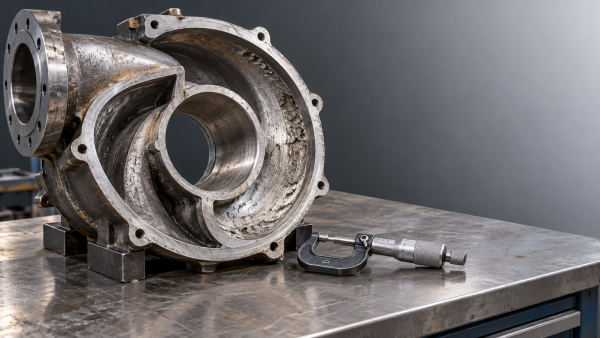
For an existing pump with repeated seal failures, the failed components provide useful evidence. Scored faces suggest a different mechanism from heat-damaged faces, obstructed moving parts, or widespread wear caused by shaft movement. Adding a second seal without resolving the identified cause can preserve the original failure mechanism while increasing maintenance complexity.
The final selection should state the arrangement explicitly: pressure relationship, support method, compatible fluid, monitoring, and response to failure. That makes “double seal” an actionable engineering requirement and establishes the conditions under which it provides the intended hydrocarbon containment.
Related Information
 Oct 30, 2026
Do Slurry Pumps Handling Flammable Hydrocarbons Need Double Seals?
Does a slurry pump handling flammable hydrocarbons need a double mechanical seal? Explore leakage risks, seal options, and barrier systems to choose safer, more reliable containment.- Oct 30, 2026
How Can You Tell When a Slurry Pump Liner Needs Replacing?
How do I tell when a slurry pump liner needs replacing? Learn key wear signs, thickness limits, and inspection tips to plan replacement, protect your pump, and avoid costly downtime. - Oct 29, 2026
Should You Choose an Open or Closed Impeller for Coarse Slurry?
Should I choose an open or closed impeller for coarse slurry? Compare solids passage, wear, efficiency, and maintenance to find the right slurry pump and reduce costly downtime. - Oct 29, 2026
Why Does a Slurry Pump Bearing Assembly Overheat After Replacement?
Why does my slurry pump bearing assembly overheat after replacement? Discover common lubrication, preload, and alignment issues, plus practical checks to reduce downtime.

{item.title}
Get a Quote
Please leave your information and email address, and we will contact you as soon as possible.