Freeing a Slurry Knife Gate Valve Stuck Partly Open: A Safe Troubleshooting Guide
How do I free a slurry knife gate valve stuck partly open? Begin by securing the process, identifying the obstruction, and checking manufacturer-approved recovery procedures.
In abrasive slurry service, a jammed gate can disrupt production, compromise isolation, and indicate packed solids, damaged sealing components, misalignment, or an actuator problem.
The safest approach starts with shutting down the process, isolating pressure and energy sources, and verifying depressurization before inspection, rather than forcing additional gate movement.
This guide explains how to distinguish common causes, assess approved flushing and cleaning options, and recognize when disassembly or component replacement becomes necessary for recovery.
What Should You Do Immediately When the Gate Stops Moving?
Stop repeated operating attempts. A partly open valve may still pass substantial flow, while an overloaded actuator can bend the stem or damage sealing components.
Record the gate position, actuator indication, process conditions, and any unusual sounds. These observations help distinguish a mechanical obstruction from a control or drive failure.
Do not increase actuator supply pressure, change torque limits, add a handwheel extension, or strike the gate. These actions can turn recoverable sticking into permanent damage.
Treat the valve as unavailable for isolation until it has been repaired and verified. A partly open gate cannot establish a dependable maintenance isolation boundary.
Notify the responsible operator and follow the site’s shutdown procedure. If an approved bypass exists, its use must follow the established operating and isolation plan.
For maintenance planning, identify the valve model, slurry composition, operating temperature, actuator type, and recent maintenance history before selecting tools or ordering replacement parts.
How Do You Make the Valve Safe to Inspect?
Use independent isolation points to secure every possible pressure source. Include upstream and downstream equipment, connected branches, elevated slurry inventories, and sources of reverse flow.
Apply the site’s lockout procedure to pumps, actuators, and associated equipment. Electrical, pneumatic, hydraulic, spring, gravity, and accumulator energy may all require specific controls.
Drain and depressurize through designated facilities into suitable containment. Account for hot, corrosive, toxic, or settling slurry when selecting protective equipment and handling arrangements.
Verify the isolated section is depressurized using the site-approved method. A zero gauge reading alone may be misleading if solids have blocked the pressure connection.
Check for trapped pressure on both sides and in any relevant cavities. Prevent pressure from rebuilding through leaking isolation valves or connected process equipment.
Never loosen packing, flange bolts, body fasteners, or actuator connections to test for pressure. Use engineered venting points and the applicable maintenance procedure instead.
Remember that a gate or actuator may move when an obstruction releases. Establish an exclusion zone and secure moving components before intrusive inspection begins.
Is the Gate Jammed, or Is the Actuator Failing?
A position signal does not always prove actual gate position. Where safely visible, compare the indicator with the stem, gate travel, and mechanical position markings.
If the actuator runs but the gate remains stationary, investigate the coupling, stem nut, gearbox, or linkage. Lost motion can resemble a blockage inside the valve.
If the actuator stalls or trips, the cause may be excessive mechanical resistance or insufficient drive output. Neither condition justifies overriding the equipment’s protective limits.
For pneumatic equipment, qualified personnel should check specified supply conditions, regulators, solenoids, and exhaust restrictions under an approved diagnostic procedure with appropriate movement controls.
For electric or hydraulic equipment, review available fault codes, limit settings, power conditions, or hydraulic faults. Follow the actuator manual before adjusting any settings.
Only disconnect an actuator using the manufacturer’s procedure after controlling stored energy and supporting components. Some assemblies contain spring forces or permit uncontrolled gate movement.
The useful diagnostic distinction is whether motion is being lost in the drive system or resisted at the gate. Repair decisions depend on that distinction.
What Usually Makes a Slurry Knife Gate Valve Stick?
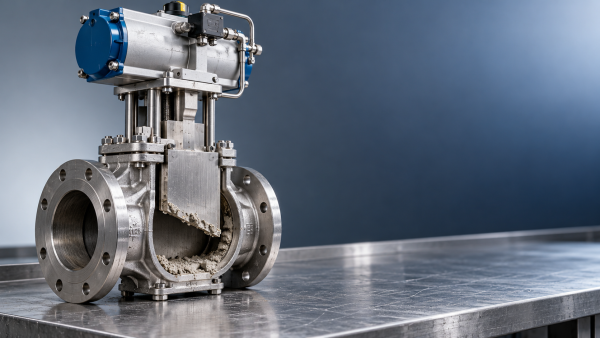
Packed or hardened solids often develop after slurry remains stationary. Settling material can accumulate around the gate path, seat area, or other internal recesses.
A problem appearing after an extended shutdown makes deposition more plausible. However, the same timing can coincide with corrosion or dried deposits around exposed components.
Trapped oversized particles can interrupt travel abruptly. Fibers, scale fragments, or foreign objects may lodge where the gate enters the sealing region, depending on construction.
Damaged seats or sleeves may distort into the gate path. Abrasion, incompatible chemicals, temperature exposure, or previous overloading can contribute to this type of interference.
Packing friction can increase after incorrect adjustment or product buildup. Tightening packing further may worsen resistance, while loosening it under pressure can release process material.
Misalignment or structural damage may follow pipe strain, uneven installation, loose supports, or excessive operating force. A bent gate often binds repeatedly at similar positions.
These clues guide inspection rather than establish a diagnosis. Confirm the condition against the actual valve design before choosing flushing, adjustment, or component replacement.
When Can Flushing Help Free the Gate?
Flushing is most promising when removable deposits are suspected and the valve has manufacturer-designated flushing connections. It cannot straighten a gate or repair damaged elastomers.
Confirm the approved fluid, connection points, pressure limits, flow direction, and discharge arrangement. Different knife gate designs tolerate very different cleaning methods and operating conditions.
Check chemical compatibility with both the slurry and valve materials. Introducing water into some processes can cause heat generation, hazardous reactions, swelling, or product contamination.
Establish a clear discharge route before flushing. A plugged outlet can pressurize the isolated section, and released deposits may obstruct downstream piping or collection equipment.
Keep initial flushing separate from gate operation unless the manufacturer explicitly specifies a combined procedure. Any authorized movement requires controlled energy restoration and personnel clearance.
Do not improvise flushing through packing areas or loosened joints. Similarly, avoid introducing compressed air unless the equipment design and approved procedure specifically permit it.
If deposits clear but the gate still binds, stop and reassess. Continued flushing offers little benefit when the underlying cause is mechanical damage or misalignment.
When Is a Controlled Movement Attempt Reasonable?
Consider a movement attempt only after the suspected obstruction has been addressed and the manufacturer’s instructions permit testing under the established isolation and energy controls.
Before testing, remove tools, reinstall required guards, clear personnel, and confirm the gate’s movement path. Restore only the energy required by the approved test procedure.
Use the specified operating settings and observe travel remotely where practical. If movement remains abnormal, stop promptly instead of repeatedly cycling against the same resistance.
Do not assume reversing the gate is always helpful. Certain obstructions, seat designs, and damaged sleeves can be made worse by movement in either direction.
A gate that moves a short distance and stops again has not passed a functional check. Repeated binding warrants further inspection before returning the valve to service.
Likewise, successful movement does not prove adequate shutoff. The valve may complete its stroke while a cut sleeve, scored gate, or trapped debris permits leakage.
When Should You Disassemble or Replace Components?
Disassembly becomes appropriate when approved cleaning fails, binding recurs, visible damage exists, or inspection cannot establish a safe explanation for the restricted travel condition.
Some valves allow selected maintenance while installed; others require removal from the pipeline. Follow the exact model’s maintenance instructions and provide suitable lifting support.
Never assume similarly sized knife gate valves share an internal arrangement. Seated, sleeved, and other constructions have different wear parts, assembly requirements, and service limitations.
Inspect the gate for bending, scoring, edge damage, and corrosion. Examine seats or sleeves for tearing, extrusion, hardening, swelling, and material embedded in sealing surfaces.
Inspect the stem, guides, bearings, coupling, and stem nut for wear or misalignment. Check whether pipe loading or mounting distortion has contributed to the problem.
Replace damaged parts using the manufacturer’s specifications. Avoid grinding the gate, trimming elastomers, or substituting materials unless an approved repair procedure explicitly permits those changes.
Replace the complete valve when structural damage, unavailable parts, or repeated failures make repair unreliable. Compare expected service life and downtime alongside the immediate repair cost.
What Must You Verify Before Restarting the Process?
Reassemble using the specified parts, alignment requirements, lubrication, and fastener torques. Confirm that any packing adjustment follows the valve manufacturer’s method and acceptance criteria.
Perform the prescribed functional test under controlled conditions. Verify smooth travel, correct end positions, reliable indication, and normal actuator behavior throughout the required operating stroke.
Check external tightness and shutoff performance using an approved test method. Acceptance criteria should match the valve’s rated sealing capability and the application’s actual requirements.
Avoid inventing a universal leakage limit or test pressure. Knife gate valve designs differ, and some applications require sealing performance beyond what a particular design provides.
During the authorized restart, monitor for leakage, unusual operating effort, abnormal noise, and position discrepancies. Follow the site’s response procedure if any problem reappears.
Document the cause, corrective work, replaced components, and test results. This record helps maintenance teams distinguish a one-time obstruction from a recurring equipment or process issue.
How Can You Reduce the Chance of Another Jam?
Match preventive action to the confirmed cause. Repeatedly replacing seats will not resolve pipe strain, and actuator repairs will not prevent solids from settling internally.
Where the process permits, establish an approved shutdown cleaning routine before deposits harden. Use the manufacturer’s flushing provisions and verify that discharge paths remain usable.
Review slurry particle size, solids concentration, chemistry, temperature, and shutdown duration against the valve specification. Changes in service can make a previously suitable valve unreliable.
Confirm whether the valve is suitable for sustained partial opening. Many knife gate valves primarily serve isolation duties, and throttling may accelerate localized erosion.
Trend operating time, actuator load where available, leakage, and recurring stop positions. Increasing resistance can provide an early maintenance signal before the valve jams completely.
Maintain suitable spare wear parts and clear inspection criteria. For critical services, planned replacement can reduce production losses associated with an unexpected failure during shutdown.
Choose the Recovery Method That Matches the Cause
Freeing a slurry knife gate valve starts with independent isolation and verified control of pressure and stored energy. Force is not a reliable diagnostic method.
Approved flushing may resolve removable deposits; actuator faults require drive-system repairs; damaged gates, seats, or sleeves require inspection and appropriate component replacement before reuse.
Return the valve to service only after smooth operation and required sealing performance are verified. A valve that merely moves again has not necessarily recovered.