
In tailings transfer lines, fugitive emissions aren’t a theoretical concern—they’re a tangible risk that shows up as fine slurry mist around valve stems, seepage at flange interfaces, or persistent dampness on insulation. For quality control and safety professionals, this isn’t just about passing an audit. It’s about whether the isolation point you signed off on last month is silently releasing respirable particulates into a maintenance corridor—or whether a minor stem leak today becomes a catastrophic seal failure during a pressure surge tomorrow.
So: Can zero leakage knife gate valves eliminate fugitive emissions in tailings transfer lines? The short answer is yes—but only when three conditions are met simultaneously: the valve is truly engineered for zero leakage (not just marketed as such), it’s installed and commissioned correctly for its specific service context, and it’s maintained—not just inspected—as part of an active emission integrity program.
Why “zero leakage” isn’t just tighter sealing
Standard knife gate valves rely on metal-to-metal or elastomer seat contact under actuation force. In tailings service, abrasion quickly degrades that contact surface. Even a well-maintained conventional valve may pass a hydrostatic test but still emit under real-world cycling—especially with high solids content, fluctuating pressure, or thermal cycling. That’s because fugitive emissions in these systems originate from two distinct paths: the seat interface (where the blade meets the body) and the stem seal zone (where the actuator connects to the moving gate).
“Zero leakage” knife gate valves address both—not by increasing torque alone, but by rethinking how sealing integrity is sustained across operational life. They use resilient, replaceable seats—often dual-material (e.g., ceramic-reinforced polymer backed by elastomer)—that conform under load and self-compensate for minor wear. More critically, their stem sealing system is designed to ISO 15848-1 or TA-Luft standards: multiple dynamic seals (e.g., primary PTFE lip seal + secondary graphite packing), live-loaded gland bolts, and often an integrated purge or monitoring port. This isn’t incremental improvement—it’s a shift from “leak-tolerant” to “leak-intolerant” design logic.
Where they work—and where they don’t
These valves deliver measurable emission reduction in three common tailings scenarios:
- Critical isolation points: upstream of dewatering filters, at pump bypass lines, or before slurry distribution manifolds—where any leakage directly enters accessible areas or environmental containment zones.
- High-cycling service: valves used daily for process routing or sampling, where conventional designs fatigue stem seals rapidly due to repeated actuation.
- High-solids, low-flow lines: where abrasive carryover settles near seats and stems, accelerating wear in standard valves—but where resilient, flushable seat geometries in zero leakage models resist clogging and maintain sealing geometry.
But they’re not a universal fix. They won’t compensate for:
- Poor piping alignment: misaligned flanges induce uneven loading on the valve body, distorting the seat and compromising the entire sealing system—even the most advanced design can’t overcome mechanical distortion.
- Uncontrolled solids settling: if slurry velocity drops below critical transport velocity upstream, settled solids can bridge across the seat or jam the gate during closure. Zero leakage valves require proper line sizing and flow management—not just better hardware.
- Stem seal neglect: unlike static gaskets, stem seals degrade with cycling and temperature. A zero leakage valve with overdue gland tightening or degraded packing will leak—regardless of seat performance.
What quality and safety teams should verify—not assume
When evaluating or specifying these valves, avoid relying solely on datasheet claims. Focus instead on verifiable design and commissioning evidence:
1. Seat design intent matters more than material name. Ask for cross-sections showing how the seat accommodates blade deflection, thermal expansion, and wear compensation. A “ceramic seat” means little if it’s rigidly bonded and cannot conform to minor gate warping under load.
2. Stem sealing must be certified—not just described. Look for third-party test reports (e.g., TÜV, Kiwa) verifying compliance with ISO 15848-1 Class A or B under simulated tailings conditions—not ambient air tests. Also confirm whether testing included thermal cycling and repeated actuation (≥1000 cycles), not just static pressure hold.
3. Commissioning isn’t optional—it’s part of the specification. Zero leakage performance begins at installation. Valve orientation (e.g., stem-up vs. stem-down), flange bolt torque sequence, and initial seat conditioning (often requiring controlled partial cycling under low pressure) all affect baseline integrity. If your contractor treats it like a standard valve, you’ve already compromised the design intent.
Maintenance isn’t routine—it’s diagnostic
For safety and QC personnel, the biggest oversight is treating zero leakage valves as “fit-and-forget.” Their value degrades silently. Unlike a leaking gate valve that drips visibly, a failing stem seal in these units may only release trace vapor—undetectable without sniffing or infrared imaging—until sudden loss occurs.
A robust maintenance approach includes:
- Baseline emission verification within 72 hours of commissioning, using Method 21 or optical gas imaging, to establish a reference.
- Gland load monitoring, not just visual inspection—using torque-controlled retightening schedules based on cycle count and temperature history.
- Seat performance trending via actuation torque analysis: a consistent upward trend in close torque may indicate seat wear or solids intrusion, even without visible leakage.
This shifts maintenance from calendar-based to condition-informed—aligning with ISO 55000 asset integrity principles and reducing reliance on reactive leak detection surveys.
The bottom line for operational decision-makers
Zero leakage knife gate valves don’t eliminate fugitive emissions by magic. They do it by making leakage *physically improbable*—not just statistically infrequent—when applied correctly. For quality control and safety professionals, that means their role isn’t to approve a valve spec sheet, but to ensure the full chain holds: correct selection for the actual service profile, verified installation, documented commissioning, and condition-based upkeep.
If your current leakage incidents cluster around isolation points—not pumps, flanges, or instrumentation—then upgrading to a properly applied zero leakage knife gate valve is one of the highest-leverage interventions available. But if leaks occur across multiple valve types and locations, the root cause likely lies upstream: in slurry rheology control, piping design, or maintenance culture—not in the valve itself.
Before specifying, ask: What’s the dominant leakage path in our existing valves? Where does it occur most frequently—and under what operating condition? Answer those first. Then choose the tool that closes that specific gap—not the one with the most impressive brochure.
 Sep 17, 2026Can zero leakage knife gate valves eliminate fugitive emissions in tailings transfer lines?Zero Leakage Knife Gate Valves—engineered to eliminate fugitive emissions in tailings transfer lines. Discover how true zero-leak design, proper installation & active maintenance deliver measurable safety and compliance gains.
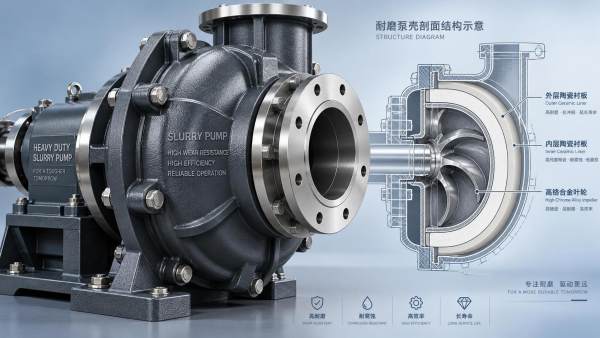
- Sep 16, 2026When do wear resistant slurry pumps justify higher upfront cost over standard models?Wear Resistant Slurry Pumps deliver ROI in 6–18 months for high-erosion, continuous-duty applications—cut downtime, extend service life, and slash TCO.
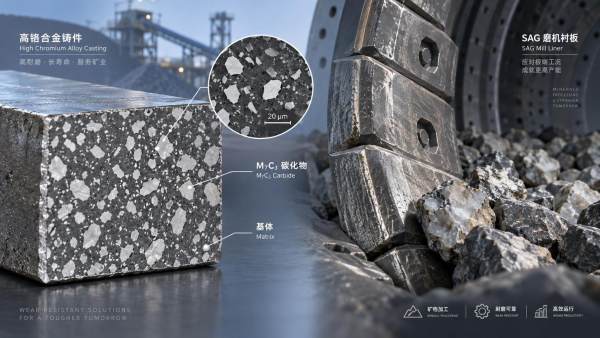
- Sep 14, 2026How do high chrome alloy castings perform in abrasive mineral processing environments?High Chrome Alloy Castings deliver exceptional wear resistance in abrasive mineral processing—discover how microstructure, heat treatment, and real-world conditions drive true service life.
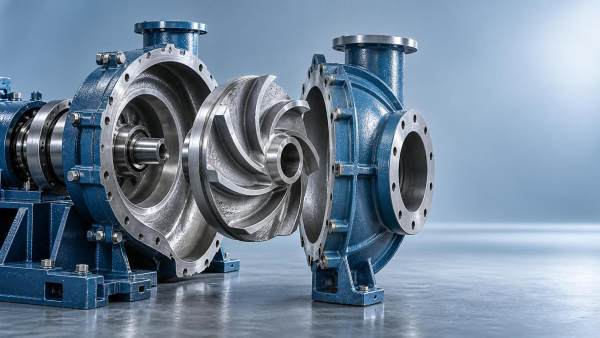
- Sep 15, 2026What causes rapid impeller wear in slurry pumps—and how Delin mitigates it through material and design controlWhat causes rapid impeller wear in slurry pumps? Discover how Delin’s integrated material & hydraulic design control extends service life—proven in harsh mineral and wastewater applications.

Get a Quote
Please leave your information and email address, and we will contact you as soon as possible.